Rural Home Compass
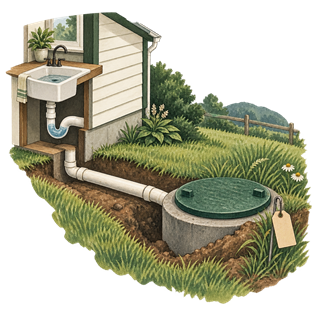

Find every component
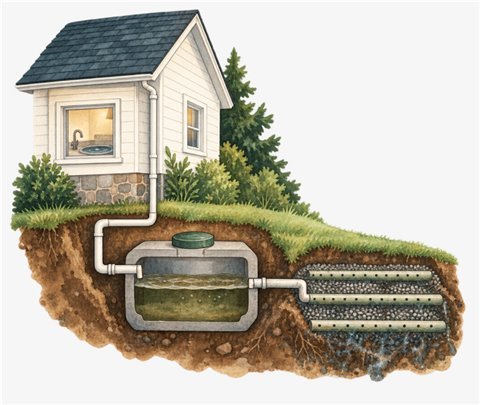
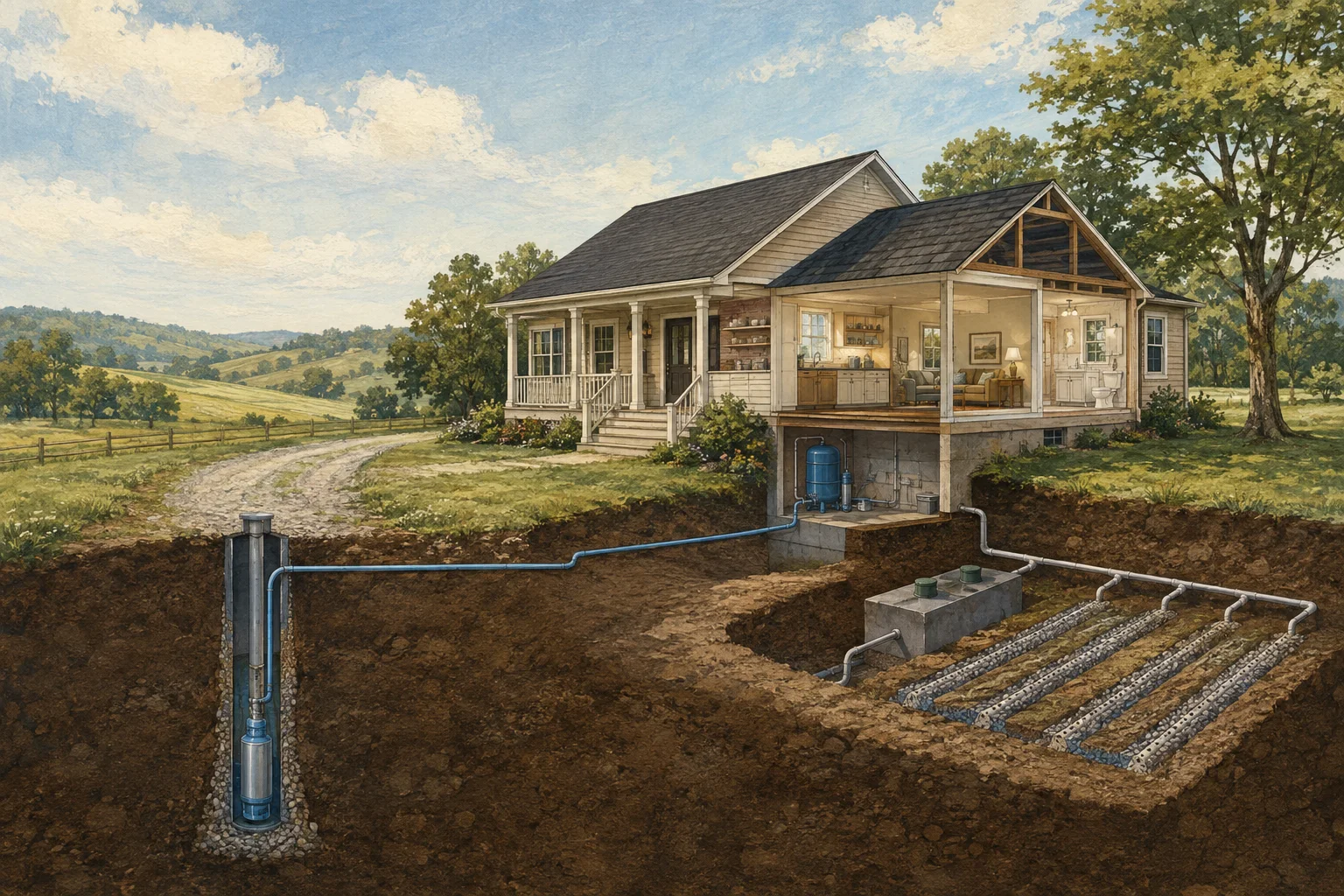
Locate the wellhead, main shutoff, pressure tank, septic tank, and drainfield. Save service records and contacts.
Own the systems your house depends on
Understand your private well and septic system, catch maintenance before it becomes an emergency, and know exactly who to call when something goes wrong.
Free tools · No account · Your home profile stays on this device
Start with what you notice
Build a starting laboratory test panel from symptoms and property context.
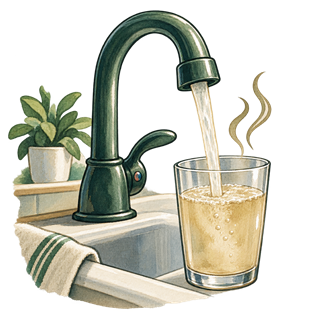
Separate a fixture issue from a whole-house well-system problem.
Estimate the right next step using occupancy, timing, and symptoms.
Turn what you know—and what you do not—into a prioritized plan.
The first 30 days
Locate the wellhead, main shutoff, pressure tank, septic tank, and drainfield. Save service records and contacts.
Use a certified laboratory and local guidance. Clear water is not proof that drinking water is safe.
If septic history or system condition is unknown, schedule the right inspection before guessing at a pumping date.
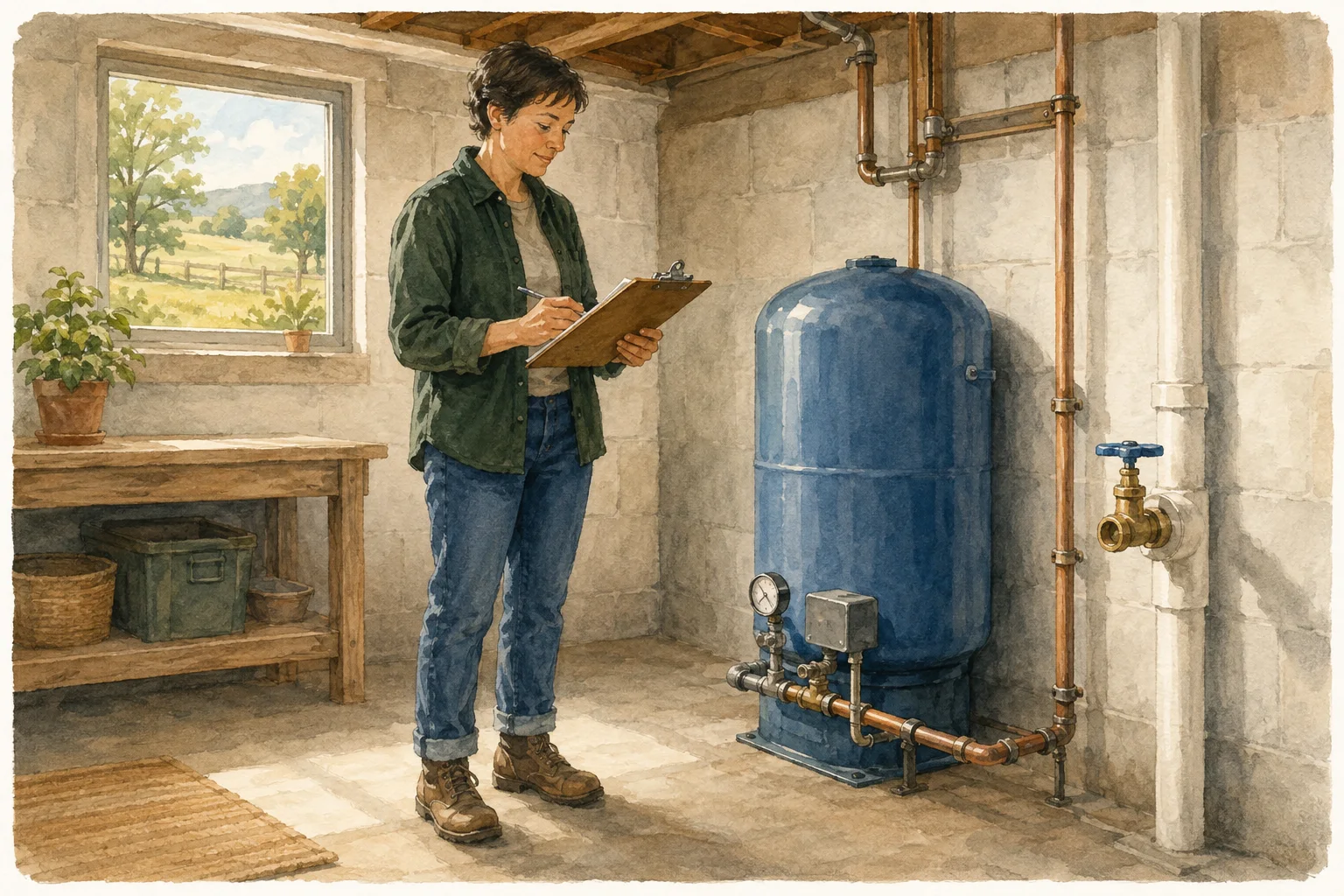
Know the room before the emergency
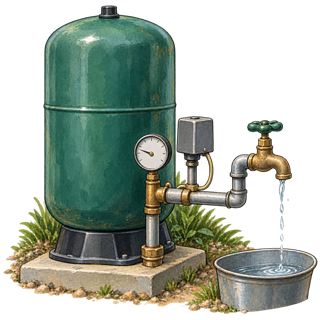
A private well stops feeling mysterious once you can name the visible parts, find the shutoff, and keep a useful record for the person who may need to service it.
Evidence, not filler

Buying
Records, testing, inspection, and questions to handle before taking ownership of a private well and septic system.
Read the guide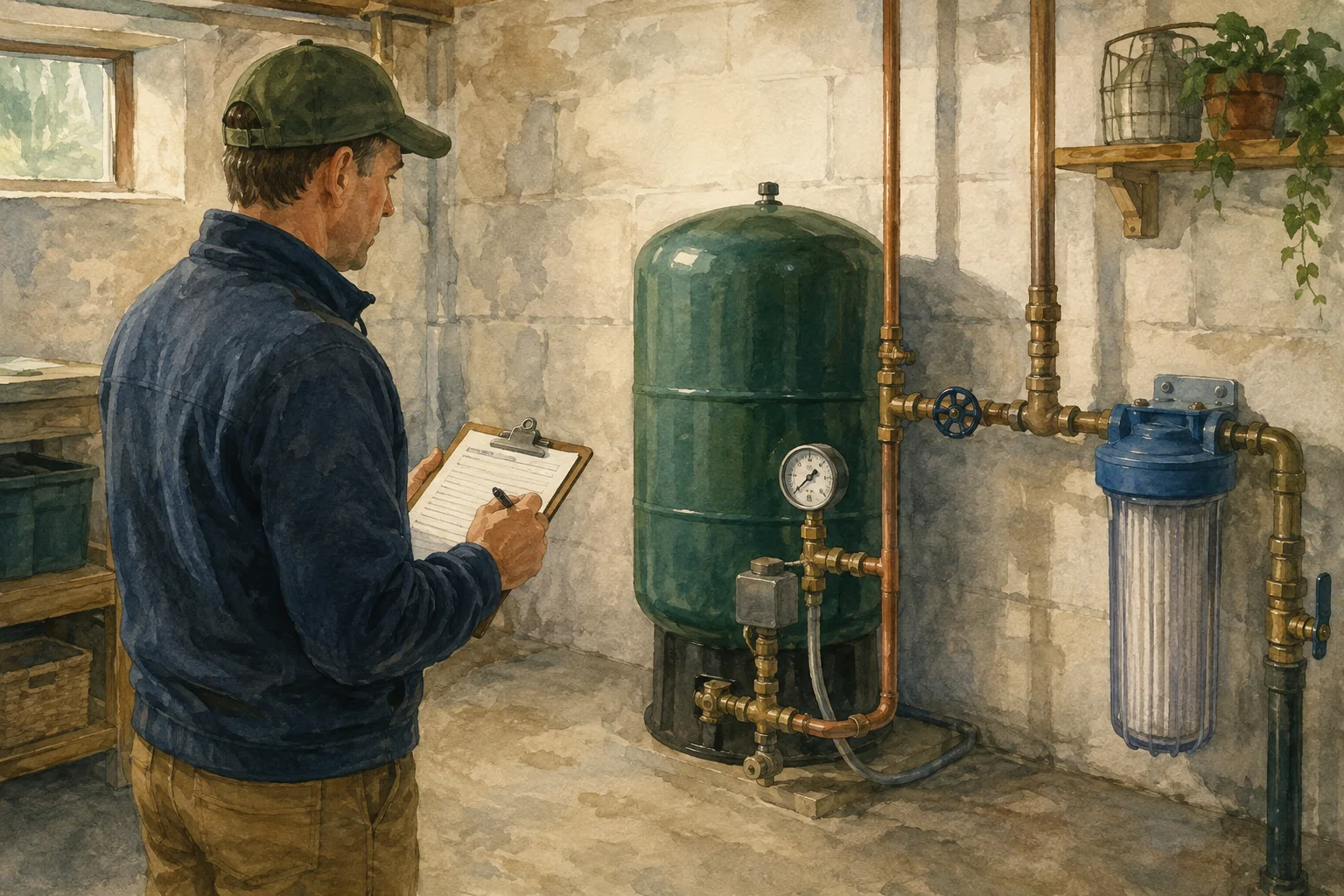
Well outage
An ordered decision path for a private-well home with no water, from outage scope to the right professional handoff.
Read the guide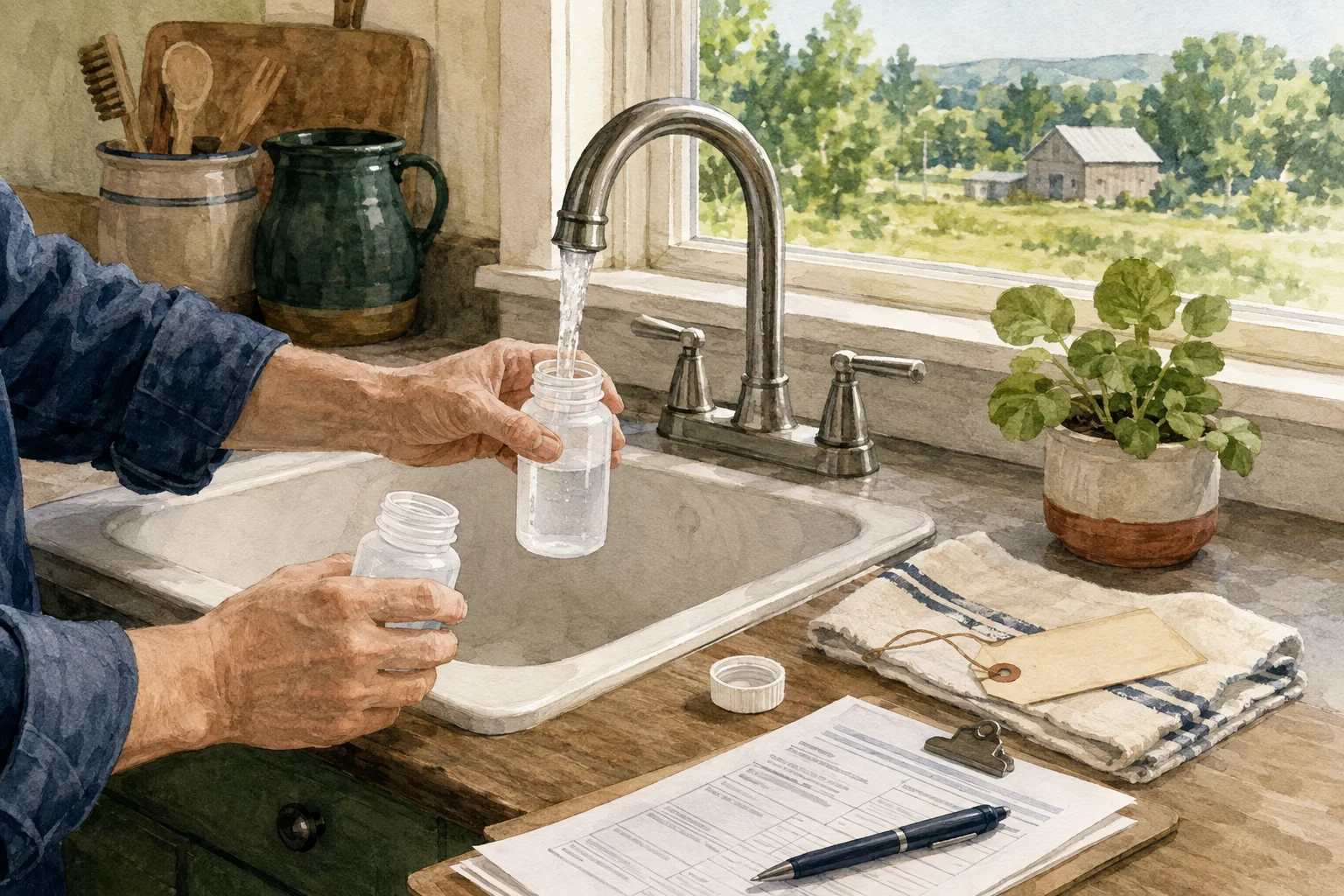
Water testing
A decision guide for screening strips, field measurements, mail-in services, and state-certified laboratory testing.
Read the guideReduce exposure, stop adding wastewater, and decide who should assess the system.
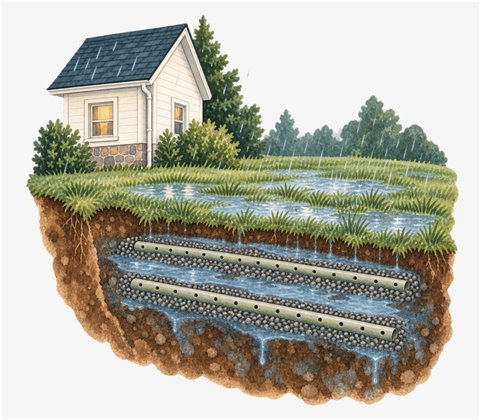
Read the guide After heavy rainWhy reducing wastewater matters and why pumping is not an automatic rain fix.
Read the guide Local rulesFind reviewed guidance for 18 states, with local testing, inspection, and record requirements.
Browse state guidesA different kind of home site
Guidance is tied to public agencies, source dates, and stated limitations.
Tools expose assumptions and confidence instead of pretending to inspect your property.
Any commission or provider-routing relationship is disclosed near the action.